
Export Packing for International Removals: Professionally Prepared, Customs-Ready, and Protected for Sea Freight
Professional export packing for international removals carried out by Trunk Logistics’ trained international crews, using specialist materials, controlled container loading, and customs-ready inventory preparation.
International sea freight places demands on household goods that no domestic move comes close to replicating. Your shipment goes through container loading in the UK, ocean transit lasting weeks, port handling at destination, customs inspection, and final inland delivery.
Export packing done correctly means your belongings are protected for the full journey, documented accurately for customs clearance, and loaded in a way that prevents movement and damage during transit.
This page covers exactly what our export packing service includes, which items require specialist handling, timing and preparation, and the questions most commonly asked before an international move. If you are ready to confirm your export packing requirements and get a fixed door-to-door quote: Book your international moving survey
Got a Question About Export Packing?
★4.5 on Google | ★4.8 on Trustpilot | 1,500+ Reviews | IAM Member
Not sure what export packing involves or whether your items need specialist preparation? Our international team will give you a straight answer based on your shipment and destination.
We’ll respond with clear, practical advice, no sales pressure, no obligation.
We’ll respond with honest, practical advice based on your international move
What Export Packing For International Removals Includes
Export packing is not a variation of domestic packing, it is a purpose-built process for the specific demands of sea freight, customs clearance, and international delivery. Every element is designed to protect your goods across multiple handling stages, satisfy customs documentation requirements, and ensure your shipment arrives at destination in the same condition it left the UK.
Heavy-Duty Carton Packing For Household Goods
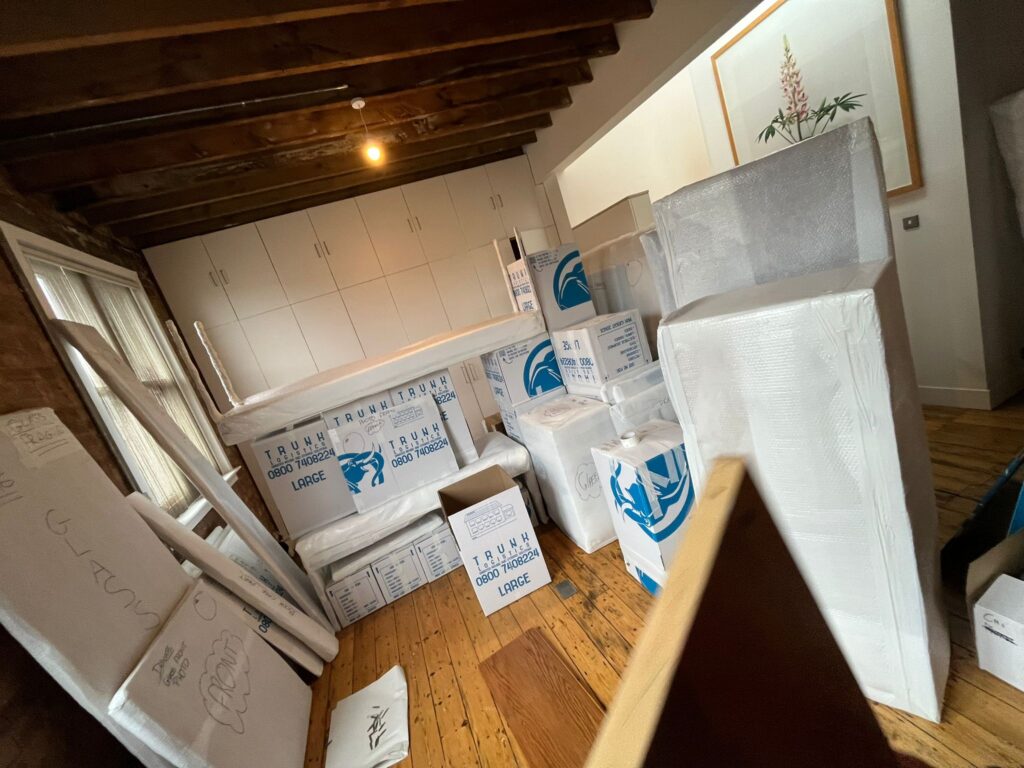
Household contents are packed into export-quality double-wall cartons specifically designed for container stacking, extended transit, and customs inspection. Standard domestic moving boxes are not built for the weight pressure, handling, and moisture exposure involved in sea freight but export cartons are. Items are packed correctly for their weight and fragility, cartons are sealed and labelled consistently throughout, and the packing list is built alongside the physical packing process so inventory accuracy is maintained from the outset. Correctly packed cartons withstand container transit, remain organised for customs review if required, and allow efficient unpacking and placement at your destination property.
Protective Wrapping For Furniture And Larger Items
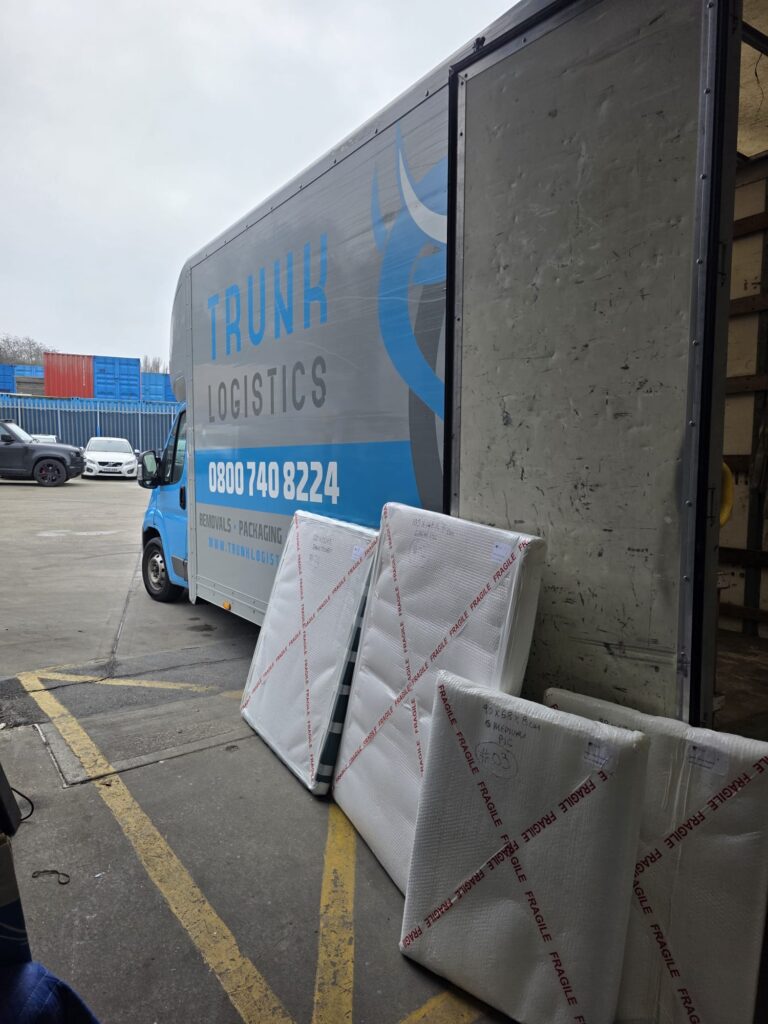
Furniture and larger items are wrapped using export-grade materials suited to sea freight conditions and extended transit periods. This means multi-layer protective wrapping for surfaces, edges, and corners, not moving blankets designed for short-haul domestic transport. Timber furniture, upholstered items, glass surfaces, and delicate pieces all receive protection appropriate to their vulnerability and the handling they will go through between UK collection and overseas delivery. Items are wrapped before they leave their position in your property, not after they have already been moved through doorways and corridors.
Moisture-Resistant Protection For Sea Transit
Ocean freight exposes shipments to humidity and condensation conditions that do not exist in domestic removals. Moisture-resistant wrapping and appropriate internal container preparation are applied where needed to protect against the atmospheric conditions of sea freight transit. This is particularly relevant for wooden furniture, soft furnishings, electronics, and any item susceptible to humidity damage over extended periods.
Customs-Ready Inventory Preparation
Every international shipment requires a structured written inventory before it can be exported from the UK and cleared at destination. This is not a basic packing list it is a customs document. Your inventory must describe contents at item level with accurate values, be consistent with what is physically in the container, and meet the documentation standards of your destination country’s customs authority. Your export packing inventory is prepared as part of the packing process, carton by carton, item by item, so it reflects exactly what has been packed, in what quantities, and to what declared value. This is what allows customs clearance to proceed without avoidable inspection, delay, or queries on arrival.
Controlled Container Loading
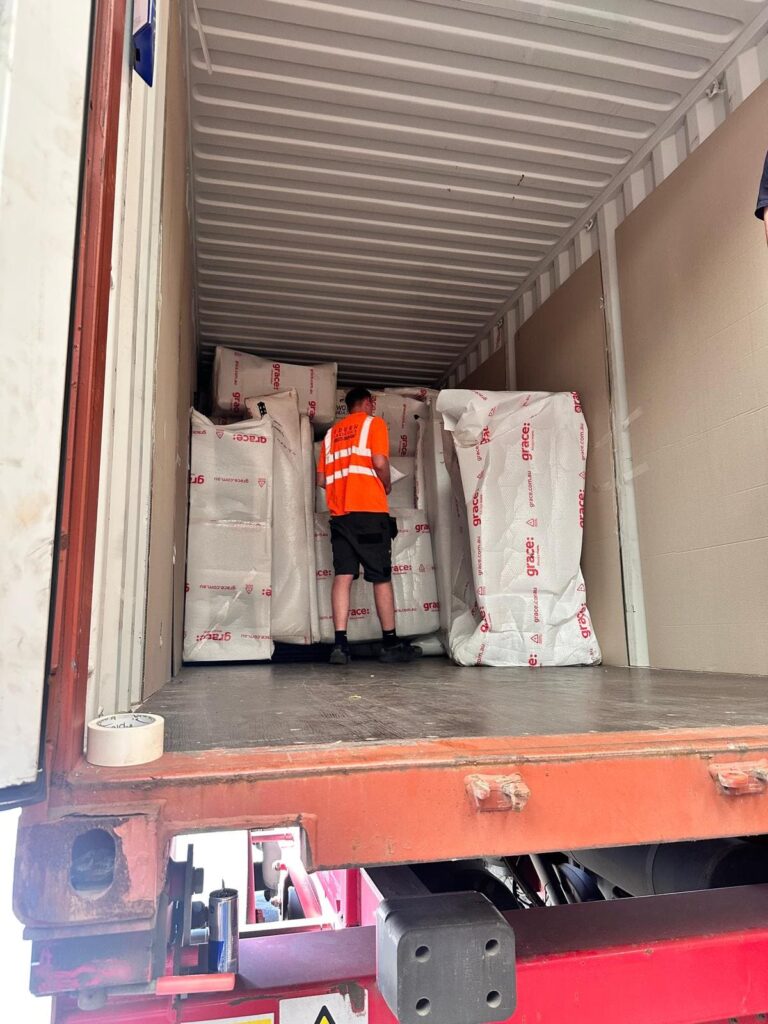
Once packing is complete, goods are loaded into the shipping container using a controlled placement method designed for stability during sea freight movement. This means weight distribution across the container floor, heavy items loaded low and secured, fragile items separated from heavy goods and positioned to avoid contact damage, and a final inspection before the container is sealed. The container is not reopened until it reaches its destination so correct loading at origin is the last opportunity to protect your shipment before it enters international transit.
Specialist Items And Restricted Goods
Not all household goods can be packed and shipped in the same way. Some items require a higher level of preparation, custom crating, or specialist handling methods. Others cannot be included in a household goods shipment at all under international shipping regulations or destination customs law. Identifying these items before packing begins is what prevents customs complications, container refusal, and damage to items that standard export packing methods cannot adequately protect.
Items Requiring Specialist Export Preparation
Certain belongings need handling beyond standard export packing methods. Fine art, antiques, and high-value collectibles require reinforced wrapping, bespoke crating, and declared value documentation aligned with their assessed worth. Pianos and large musical instruments require specialist disassembly, padding, and structural protection that standard carton packing cannot provide. Marble, glass-topped furniture, large mirrors, and designer lighting require custom crating or reinforced boxing to protect against the contact and vibration forces of sea freight. Electronics with anti-static requirements need appropriate internal packaging to prevent damage from static discharge during transit. Where specialist preparation is required, it is identified during your survey and built into your export packing plan before anything is loaded.
Items That Cannot Be Shipped In Household Goods Containers
International shipping regulations and destination customs laws prohibit certain items from being transported within household goods shipments regardless of how they are packed. Commonly prohibited items include flammable liquids, paints, and chemicals, gas cylinders and pressurised containers, firearms and ammunition, perishable food and organic materials, and fuel-powered equipment with residual fuel. These restrictions are not discretionary so including prohibited items in a container can result in the entire shipment being held, inspected, or refused at port, with costs and delays that affect every item in the container, not just the prohibited goods. Destination-specific restrictions are confirmed during your international moving survey so prohibited items are identified and removed before packing begins.
Why Early Identification Matters
Reviewing specialist and restricted items before export packing begins means correct preparation methods are applied where needed, prohibited goods are removed before shipment, customs documentation remains accurate and consistent, and your container departs on schedule without risk of inspection or refusal at port. This is one of the reasons the survey happens before packing, not as an administrative step, but as the stage where the plan for your specific shipment is built.
Export Packing Timing And How To Prepare
When Export Packing Takes Place
Export packing is scheduled in the days immediately before your container is loaded and sealed for departure. The exact timing is confirmed during your survey based on shipment volume, container type, and sailing schedule. As a guide, smaller shipments and apartments are typically packed within one day. Average family homes usually require one to two days. Larger properties or shipments involving specialist items may require additional time. Your confirmed packing schedule is provided after survey so the timing is clear before moving day.
What You Need To Do Before The Packing Crew Arrives
Our international packing crew handles all professional packing and inventory preparation so very little is required from you before they arrive. Separate any items you are taking with you personally rather than shipping. Identify anything not intended for the shipment so it is not inadvertently packed. Confirm access, parking, and property readiness for the crew. Highlight any fragile, high-value, or sentimental items you want us to be aware of before packing begins. That is all that is needed, the crew handles everything else.
Can You Pack Items Yourself For An International Move?
For international sea freight, professional export packing is strongly recommended and in most cases required for both customs compliance and insurance eligibility. Owner-packed cartons create three specific problems: they increase damage risk during long-distance transit because domestic packing methods are not designed for sea freight handling; they create complications during customs inspection because the inventory cannot be certified as accurately reflecting contents that were not packed under professional supervision; and they limit or invalidate insurance protection because most marine transit policies require professional packing as a condition of cover. For these reasons, international shipments managed by Trunk Logistics use fully professional export packing throughout.
Frequently Asked Questions About Packing Services
How is export packing different from domestic removal packing?
Domestic packing is designed for short-haul transport where items are in transit for hours, handled by the same crew, and delivered the same day or next. Export packing is designed for weeks of sea freight transit, multiple handling stages across different countries, customs inspection, and overseas delivery by a different team. The materials are heavier, the wrapping is more comprehensive, moisture resistance is applied, cartons are built for container stacking pressure, and the inventory is prepared to customs documentation standards rather than simply as a delivery guide. The standard required is categorically different.
What happens to my inventory if my shipment is inspected by customs?
Your export packing inventory is submitted to destination customs authorities as part of the clearance documentation. If your shipment is selected for physical inspection, customs officers use the inventory to verify that contents match what is declared. An accurate, item-level inventory that matches the physical shipment is what allows inspection to proceed efficiently and without complications. Vague or inconsistent inventories, or inventories that do not match physical contents, are the most common cause of inspection delays and additional customs charges. Your inventory is prepared to the correct standard during export packing, not assembled separately after the shipment has been loaded.
Do I need marine transit insurance for my international move?
Yes, and arranging it before your shipment departs is strongly recommended. Even with professional export packing and controlled container loading, international sea freight involves transit conditions, port handling, and overseas delivery circumstances outside direct operational control. Marine transit insurance provides financial protection against loss or damage throughout the full journey from UK collection to overseas delivery. Cover options include total loss protection and all-risk cover for individual items. The appropriate level depends on your shipment value and destination. Insurance is reviewed and confirmed during your survey alongside packing, shipping method, and customs preparation.
Are high-value items covered under standard marine insurance?
High-value items such as fine art, antiques, jewellery, high-specification electronics, need to be declared accurately for insurance purposes. Standard marine transit policies cover shipments up to a declared total value, but individual high-value items may require specific declaration or separate cover to be adequately protected. This is reviewed during your survey when shipment value is assessed and insurance options are confirmed. Accurate value declaration before departure is what ensures claims can be settled correctly if loss or damage occurs.
Can artwork and antiques be shipped internationally?
Yes, but they require specialist preparation beyond standard export packing methods. Fine art and antiques are high-value items that need reinforced wrapping, bespoke crating in many cases, and accurate declared value documentation for both customs and insurance purposes. They are also subject to additional scrutiny at customs in some destination countries particularly items of significant cultural or historical value. Specialist handling for art and antiques is identified during your survey and built into your export packing plan before loading begins.
Get Your Fixed International Removal Quote
Rated ★4.5 on Google | ★4.8 on Trustpilot | 1,500+ Reviews | IAM Member
Ready to confirm your export packing requirements and get a fixed door-to-door price? A Trunk Logistics specialist will assess your shipment, identify any specialist or restricted items, confirm your customs inventory requirements, and give you a fixed all-inclusive quote covering every stage from UK collection to overseas delivery.
We will contact you to arrange your survey and confirm export packing scope, specialist item handling, customs preparation, and fixed cost before you book
Message us if you need quick advice on your planned international move