
What Customs Documents Are Required for an International Move from the UK?
International customs clearance guided by experienced coordinators, IAM-regulated shipping partners, and destination agents managing documentation from UK departure to overseas delivery.
The difference between a straightforward customs clearance and one that results in delays, inspection charges, or storage fees at a destination port is almost always preparation. Specifically, whether the correct documents were assembled, the inventory was accurate, residency eligibility was confirmed, and restricted items were identified before packing began. Customs authorities do not cause most clearance problems. Incorrect preparation does.
This page covers the core documents required for international household moves from the UK, how duty-free entry works and when it applies, what items are restricted or cannot be shipped, and how the clearance process works from arrival at port through to delivery. If you are ready to confirm your customs requirements and get a fixed door-to-door quote: Book your international moving survey with Trunk Logistics
Got a Customs Question About Your International Move?
★4.5 on Google | ★4.8 on Trustpilot | 1,500+ Reviews | IAM Member
Not sure what documents you need, whether your goods qualify for duty-free entry, or whether any items in your shipment are restricted? Our international team will give you a straight answer based on your destination and situation.
We’ll respond with clear, practical advice, no sales pressure, no obligation.
Message us if you need quick advice about planning an international move
Which Documents Are Required For An International Household Move?
The core document set for international household moves is broadly consistent across destinations, though exact requirements, formats, and submission timing vary by country. All documents are confirmed for your specific destination during your moving survey, the list below covers what is typically required, and why each document matters.
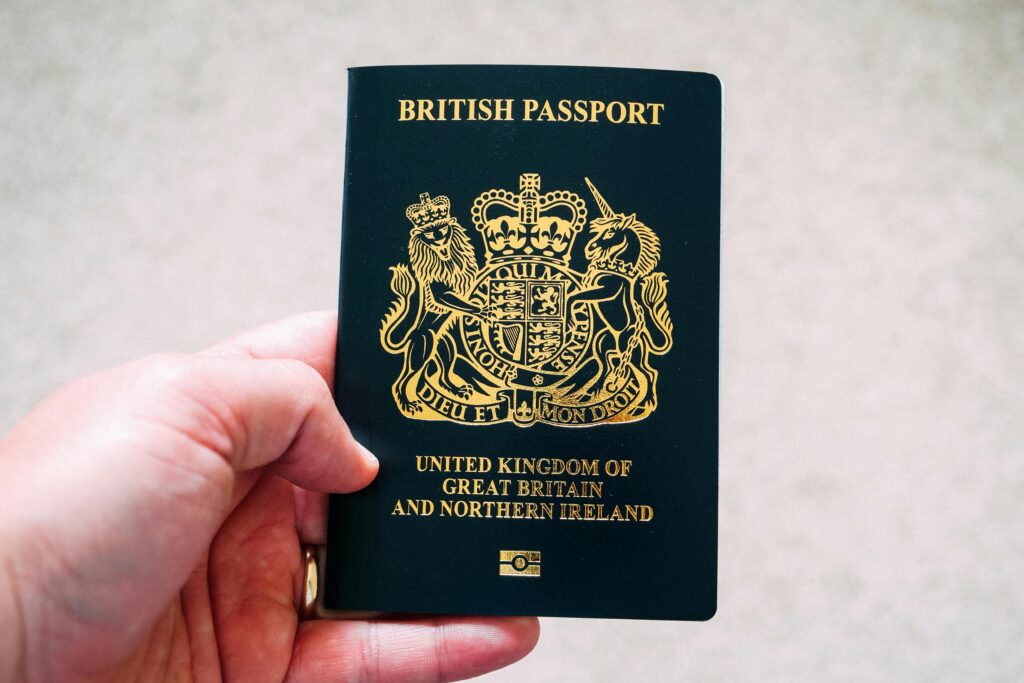
Passport - Photo Page Copy
Required by every destination customs authority without exception. Confirms the identity of the person relocating and links the shipment to a specific individual rather than a company or commercial entity. A clear, legible copy of the photo page is needed before customs documentation can be submitted.
Visa, Residency Permit, Or Proof Of Right To Reside
This is the document that determines duty-free eligibility in most destinations. Without confirmed residency status or a qualifying visa, used household goods cannot be imported duty-free, they become subject to commercial import duties instead. The visa or permit must be valid and appropriate for the destination country’s customs requirements. The visa situation is confirmed during your survey because it affects not just documentation but shipping timing, in many destinations the visa must be granted, before your shipment departs the UK.
Detailed Packing Inventory
Every item in your shipment must be listed on a customs inventory before export. This is not a summary, it is an item-level document describing contents, quantities, and declared values for each carton and piece of furniture in the container. Customs authorities use this document to assess duty-free eligibility, identify declarable or restricted goods, and verify that shipment contents match what was declared. Vague or incomplete inventories are one of the most consistent causes of customs inspection and delay. Your inventory is prepared as part of the export packing process so it accurately reflects what is physically in the container.
Customs Declaration Or Personal Effects Form
Most destination countries require a formal declaration confirming that the shipment contains used personal belongings connected to a genuine residential relocation rather than commercial goods. The exact form varies by destination but the principle is consistent across international household moves. This form is prepared by your coordinator in conjunction with destination agents before the shipment departs the UK.
Proof Of Former UK Address
Some destinations require evidence that you were genuinely resident in the UK before relocating. Typically a utility bill, bank statement, or official correspondence showing your UK address. This supports the personal effects duty-free claim by confirming the goods were in active use at a UK residential address.
Proof Of Address At Destination
Where you have a confirmed destination address, proof of that address such as a tenancy agreement, property purchase document, or utility registration, supports the customs declaration and demonstrates that the shipment is connected to an established residential move. Not always required at the point of shipping but needed for clearance in some destinations.
Bill Of Lading Or Airway Bill
The shipping document issued by the freight carrier that confirms your goods are aboard a specific vessel or flight and identifies the consignee, port of loading, and port of discharge. This is a carrier-issued document rather than one you prepare and it forms part of the customs submission package alongside your personal documents and inventory.
Additional Destination-Specific Documents
Beyond the core set, individual countries require additional documentation that reflects their own customs, biosecurity, and import regulations. These requirements are confirmed for your specific destination during your survey so nothing is missed before your shipment departs.
Do Household Goods Qualify For Duty-Free Entry When Moving Internationally?
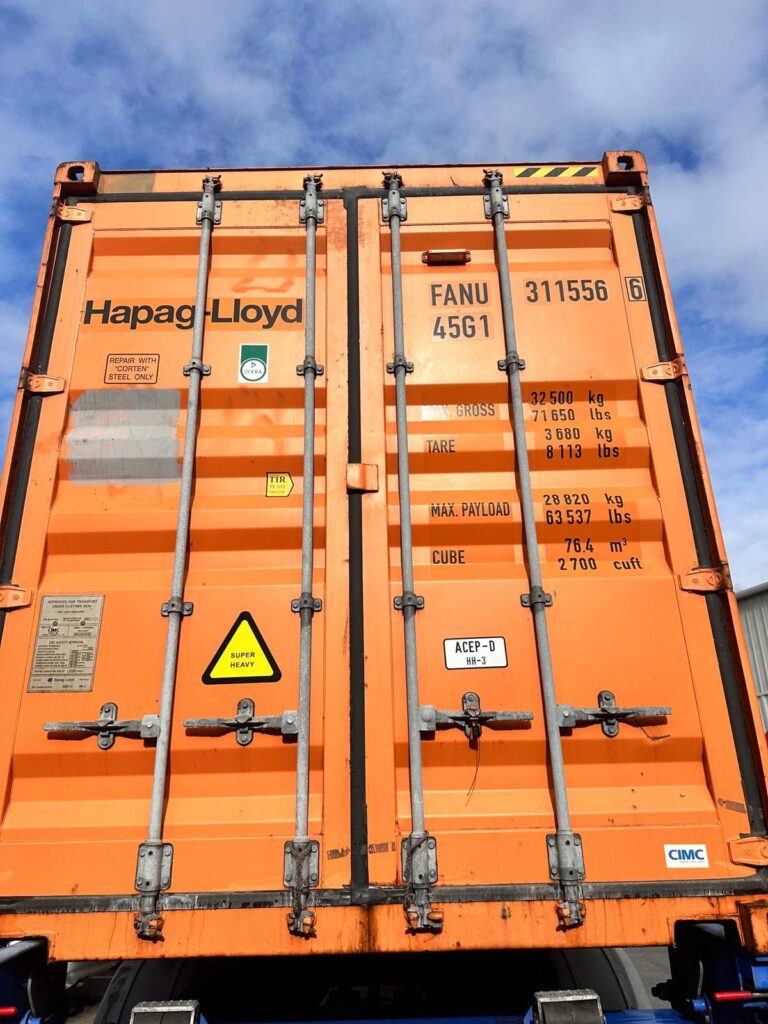
In most countries, yes. Used household goods brought as part of a genuine residential relocation are eligible for duty-free import, a relief commonly referred to as used personal effects importation. This exemption exists because customs authorities distinguish between personal belongings moving with a person who is relocating their residence and commercial goods being imported for sale or trade.
When Duty-Free Entry Typically Applies
Duty-free entry for personal effects is usually granted when the items are clearly used rather than new, you hold a qualifying visa or residency status for the destination country, the shipment arrives within the permitted timeframe around your relocation, a complete and accurate inventory has been provided, and the customs declaration correctly identifies the goods as personal effects connected to a residential move. When these conditions are met, the vast majority of everyday household contents including furniture, clothing, kitchen equipment, books, and electronics in regular personal use will clear without import duty.
When Duty Or Tax May Apply
Import duties or additional scrutiny become more likely when items appear new or are in original packaging, high-value goods are included without clear ownership history, restricted or declarable items are present in the shipment, residency documentation is incomplete or a qualifying visa has not yet been granted at the time of shipping, or the shipment arrives outside the permitted relocation window for that destination. New items purchased specifically for the move, particularly those still boxed, are the most common trigger for duty assessment on otherwise qualifying shipments. This is identified and discussed during your survey so the distinction between used personal effects and new purchases is clear before packing begins.
Why Rules Differ Between Destinations
Each country sets its own customs regulations, document requirements, and eligibility conditions for duty-free entry. Clearance timelines vary, some countries require pre-approval before shipping, others inspect a higher percentage of shipments on arrival, and documentation formats differ. This is why international moves are planned per destination during the survey rather than treated as a single global process. The rules that apply to your move depend entirely on where you are going.
What Items Are Restricted Or Cannot Be Shipped Internationally?
Some items cannot be shipped in household goods containers under any circumstances. Others can be shipped but require specific declaration, permits, or handling that must be confirmed before packing. Identifying both categories before export packing begins is what prevents customs inspection, shipment delays, storage charges at the destination port, and in the most serious cases, container refusal or goods confiscation.
Items That Cannot Be Shipped In Household Goods Containers
These categories are prohibited across virtually all international destinations regardless of route or shipping method: flammable liquids, paints, and chemicals; gas cylinders and pressurised containers; firearms and ammunition without specialist export and import licensing; live animals; perishable food and fresh organic produce; plants and soil; illegal substances; and explosive or hazardous materials. These items must be removed before export packing begins as including them in a container creates risk for the entire shipment, not just the prohibited items themselves.
Items That Are Restricted, Declarable, Or Subject To Destination Rules
The following categories can often be shipped but require specific handling, declaration, or destination confirmation before packing: alcohol and tobacco, which are declarable in most destinations and subject to quantity limits in some; prescription medication, which requires documentation confirming personal use; high-value jewellery, watches, and collectibles, which may require specific declaration and affect insurance cover; fine art and antiques, which are subject to additional scrutiny in some destination countries; vehicles and motorbikes, which involve separate import processes and are not included in standard household goods shipments; drones and certain communication equipment, which are restricted in various destinations; and large quantities of electronics, which may attract duty assessment if they appear disproportionate to personal use. Specific restrictions for your destination are confirmed during your survey.
Why Undeclared Restricted Items Cause Disproportionate Problems
When prohibited or restricted goods are found in a shipment that did not declare them, customs authorities do not simply remove those items and release the rest. The entire container is typically held for full inspection, with storage charges accruing at destination port rates while inspection is completed. Fines, duty assessment on the full shipment, or partial confiscation can follow depending on the destination country’s enforcement approach. The practical consequence is a delay measured in weeks, charges that were entirely avoidable, and delivery to your new home significantly disrupted at the point when you most need it to proceed smoothly. Identifying restricted items before packing takes a fraction of the time that resolving them at destination requires.

How Does Customs Clearance Work For International Household Moves?
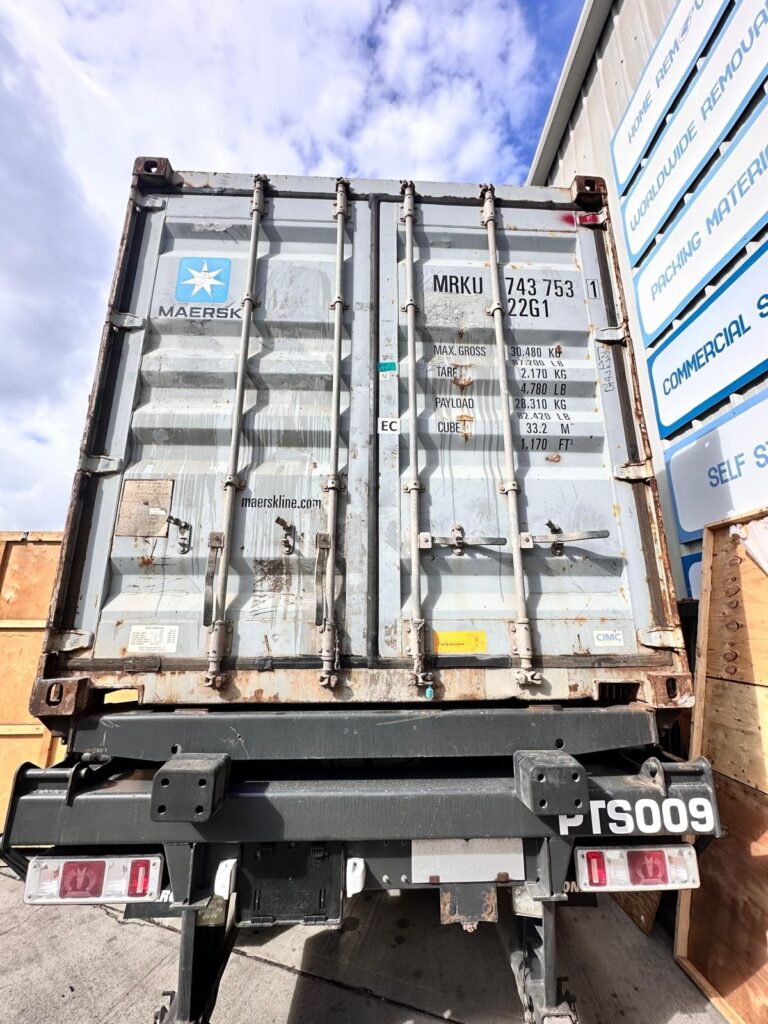
Customs clearance is the formal approval process that allows your shipment to be released from the destination port and delivered to your address. For household goods moves that are correctly prepared, clearance is a procedural stage rather than an uncertain one. Documents are submitted, eligibility is confirmed, and delivery is scheduled.
The Clearance Sequence
When your shipment arrives at the destination port, documentation is submitted to the relevant customs authority. The authority reviews the documentation package that includes your passport, visa or residency confirmation, packing inventory, customs declaration, and shipping paperwork, against the declared contents. If everything is in order, clearance is granted and delivery is scheduled. If additional information is needed, a query is raised with the destination agent. If the shipment is selected for physical inspection, the container is examined against the inventory before clearance proceeds. Inspection rates and clearance timelines vary by destination and are confirmed during your survey so timing expectations are realistic before your shipment departs.
How Your Coordinator Manages The Process
Your Trunk Logistics move coordinator and the IAM-certified destination agent manage documentation submission and clearance coordination. You are not navigating a foreign customs authority independently. Queries are handled by the destination agent who operates within that country’s customs system daily. Your coordinator keeps you informed of progress and timing so the clearance stage remains predictable. The most important contribution you make to smooth clearance is accurate documentation and a correct inventory. Both aspects are confirmed before your shipment departs the UK.
Why Preparation Before Departure Matters More Than Problem-Solving After Arrival
Once a shipment is at the destination port, the options available to resolve documentation problems are significantly more limited and more expensive than addressing the same issues before departure. A missing document that could be corrected in a day before shipping may require weeks of correspondence and resubmission to resolve at a destination port while storage charges accumulate. An undeclared restricted item that is straightforward to remove before packing becomes a customs incident after arrival. Customs clearance is predictable and manageable when preparation is correct. It becomes unpredictable when it is not.
Frequently Asked Questions About International Moving Customs
How long does customs clearance take for an international household move?
Clearance timelines vary by destination country, port of entry, inspection rates, and how completely documentation was prepared before departure. Well-documented shipments with no restricted item complications typically clear within one to three weeks of arrival at the destination port. Delays caused by documentation queries, inspection, or restricted item discoveries add time that cannot be predicted in advance. Realistic clearance timelines for your specific destination are confirmed during your survey.
Do I need to be present at the destination for customs clearance?
Not always. Many destinations allow a licensed clearing agent, your IAM-certified overseas partner, to manage clearance on your behalf using a power of attorney. Some destinations require your physical presence or a signed declaration at a specific stage. This is confirmed for your destination during your survey so you know in advance whether your arrival timing needs to align with your shipment.
What happens if my shipment is selected for physical inspection?
Physical inspection means customs officers open and examine the container against the inventory. If the inventory is accurate and no prohibited or undeclared items are present, inspection adds time but does not prevent clearance. If discrepancies are found such as items not on the inventory, undeclared restricted goods, or values that appear inconsistent, clearance is delayed while queries are resolved. Storage charges accrue during this period. The most effective protection against inspection problems is an accurate inventory prepared before packing.
Can I include new items in my household goods shipment?
New items in original packaging are not personal effects in the customs sense, they are imports. Including them in a household goods shipment without declaration is the most common trigger for duty assessment on otherwise qualifying shipments. New items can be shipped but should be declared separately and accurately so duty liability is assessed correctly rather than discovered during inspection.
What if my visa or residency is not confirmed before my shipment departs?
Shipping before residency or visa status is confirmed is one of the most significant risks in international moving. If eligibility cannot be demonstrated at customs, goods cannot clear as personal effects and become subject to commercial import duties. Shipping timing relative to visa status is confirmed during your survey so your shipment departs at the right point in your relocation process.
Who handles customs clearance at destination and do I need to arrange this separately?
No. Customs clearance at destination is coordinated through Trunk Logistics’ IAM-certified overseas partner network. Your destination agent is briefed on your shipment before it departs the UK, receives the documentation package, and manages the clearance process through to delivery. You do not need to identify or appoint a separate clearing agent as this is included as part of the managed door-to-door service.
Get Your Fixed International Removal Quote
Rated ★4.5 on Google | ★4.8 on Trustpilot | 1,500+ Reviews | IAM Member
Ready to confirm your customs requirements and get a fixed door-to-door price? A Trunk Logistics international coordinator will confirm which documents apply to your destination, identify any restricted or declarable items, review your duty-free eligibility, and give you a fixed all-inclusive quote covering every stage from UK collection to overseas delivery.
We’ll contact you to arrange your survey and confirm customs documentation requirements, restricted item guidance, and your fixed door-to-door cost before anything is booked.
Message us if you need quick advice on your planned international move